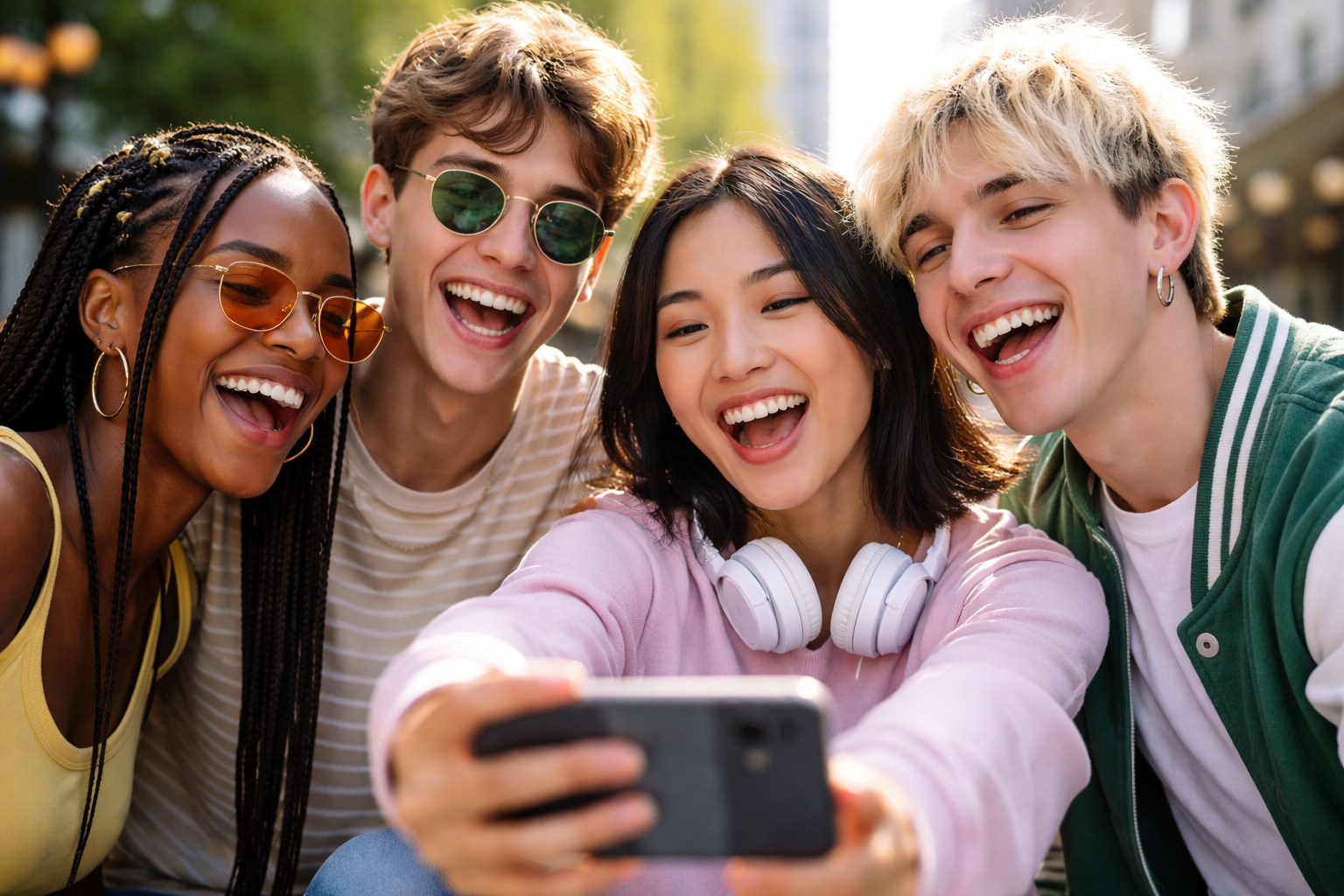

In today’s fast-changing digital world, generational gaps are becoming more visible than ever. A recent discussion on Reddit highlighted a common question: What does Gen Z do that older generations simply don’t understand?

From communication styles to social media habits, the differences are not just noticeable—they reflect how technology, culture, and mindset have evolved over time.
This article explores the key behaviors of Gen Z that often confuse older generations, along with the reasons behind them.
The Shift in Communication Style
One of the most noticeable differences is how Gen Z communicates. Unlike older generations who prefer phone calls, Gen Z leans heavily toward texting, voice notes, and video calls.
For many young people, phone calls feel intrusive or unnecessary. Messaging allows them to respond at their own pace, making communication more convenient and less stressful.
This shift is largely influenced by the rise of smartphones and instant messaging platforms, where quick, informal conversations have become the norm.
The Evolution of Language and Slang
Language is constantly evolving, and Gen Z has introduced a new wave of internet-driven slang. Phrases like “you ate that,” “fr,” or “no cap” are commonly used in everyday conversations.
Older generations often find this confusing or even meaningless. However, this type of language reflects creativity, cultural expression, and the influence of online communities.
Just like previous generations had their own slang, Gen Z is shaping its identity through modern language trends.
Social Media as a Lifestyle
For Gen Z, social media is more than just a platform—it’s a lifestyle. Many young people document their daily lives through photos, videos, and stories.
Simple actions like sending random snaps or maintaining streaks may seem pointless to older users. However, these behaviors are rooted in the desire to stay connected and maintain digital relationships.
Social media also serves as a space for self-expression, creativity, and even personal branding.
Fashion Trends: A Blend of Past and Present
Another point of confusion is Gen Z’s approach to fashion. Many trends are inspired by the 1990s and early 2000s, styles that older generations once wore themselves.
At the same time, Gen Z often criticizes millennials for being “outdated,” creating an interesting contradiction.
In reality, fashion is cyclical. What seems new is often a reinterpretation of past trends, adapted to modern tastes and influences.
Preference for Short-Form Content
Gen Z has grown up in the era of short-form content, where platforms prioritize quick, engaging videos over long-form media.
This has led to a preference for bite-sized entertainment, making it harder for some individuals to engage with longer content like movies, books, or detailed articles.
While older generations may see this as a reduced attention span, it can also be viewed as an adaptation to the overwhelming amount of information available today.
Changing Attitudes Toward Work and Motivation
Some discussions suggest that Gen Z appears less motivated or more uncertain about traditional career paths. However, this perspective often overlooks the broader context.
Economic challenges, social media pressure, and changing job markets have influenced how young people view success and stability.
Rather than being unmotivated, many in Gen Z are redefining priorities—focusing on work-life balance, mental health, and meaningful careers.
The Rise of Micro-Trends and Labels
Gen Z has a tendency to categorize aesthetics and lifestyles into specific labels, such as “minimalist,” “clean girl,” or other niche identities.
Older generations may find this unnecessary, but for Gen Z, it helps define personal identity and connect with like-minded communities online.
These micro-trends are a product of highly personalized digital environments where individuality is constantly highlighted.
Understanding the Generational Gap
It’s important to recognize that every generation experiences similar misunderstandings. What seems strange today will eventually become normal tomorrow.
Older generations often view new behaviors through the lens of their own experiences, while younger generations adapt quickly to emerging technologies and cultural shifts.
Conclusion
The differences between Gen Z and older generations are not about right or wrong—they are about change. Technology, social media, and evolving cultural norms have shaped a generation that communicates, thinks, and expresses itself differently.
Instead of viewing these behaviors as confusing or unusual, they can be seen as a reflection of how society continues to evolve.
Understanding these differences can help bridge the gap between generations, creating better communication and stronger connections in an increasingly digital world.


 By
By



 By
By