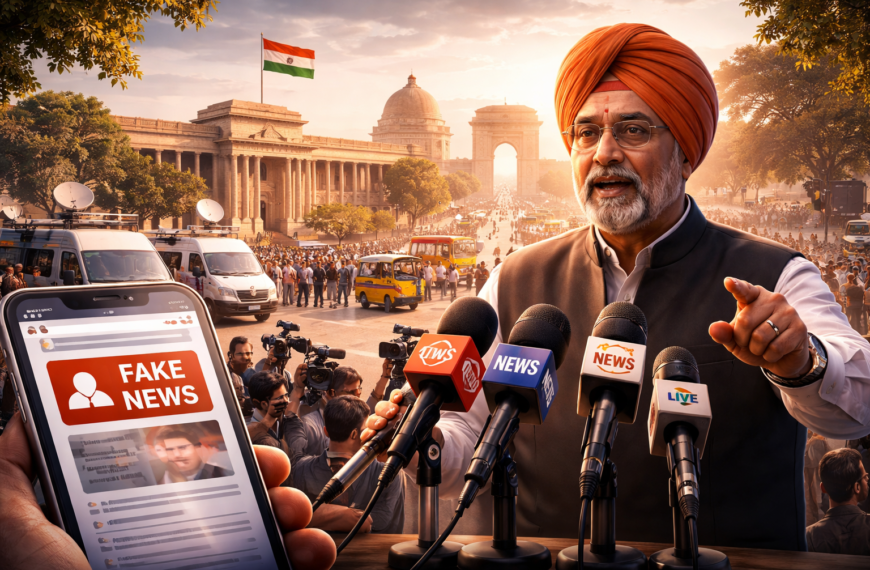


Every year on World Consumer Rights Day, celebrated on March 15, people around the world come together to raise awareness about consumer rights and the importance of fair practices in the marketplace. The day highlights the need to protect consumers from unfair trade, unsafe products, and misleading information. It also encourages individuals to understand their rights so they can make informed decisions when purchasing goods and services.

The History Behind World Consumer Rights Day
The origin of World Consumer Rights Day dates back to 1962, when John F. Kennedy, the former President of the United States, addressed the issue of consumer protection in a historic speech to Congress. In this speech, he formally recognized four basic consumer rights: the right to safety, the right to be informed, the right to choose, and the right to be heard.
Later, the global consumer movement adopted March 15 as a day to celebrate and promote these rights. Since then, organizations, governments, and communities worldwide have used this day to promote awareness and encourage responsible business practices.
Why Consumer Rights Matter
Consumer rights play a crucial role in ensuring fairness and transparency in markets. When these rights are respected, consumers can trust that the products they buy are safe, properly labeled, and fairly priced. This trust helps build stronger relationships between businesses and customers.
Without proper protection, consumers may face issues such as counterfeit products, false advertising, or poor-quality goods. By educating people about their rights, World Consumer Rights Day helps reduce these problems and promotes ethical standards in business.
Key Consumer Rights Everyone Should Know
Several fundamental rights guide consumer protection across the world:
Right to Safety: Consumers should be protected from products that may harm their health or safety.
Right to Information: Accurate and clear information must be provided so buyers can make informed choices.
Consumers have the right to choose from a wide range of products and services that are available at fair and competitive prices.
Right to Be Heard: Individuals have the right to express complaints and have their concerns addressed.
These rights empower consumers and encourage companies to maintain higher standards of quality and transparency.
The Role of Awareness and Education
One of the main goals of World Consumer Rights Day is to educate people about their rights and responsibilities. Awareness campaigns, workshops, and discussions are organized across many countries to inform consumers about safe purchasing practices and legal protections.
In the digital age, consumer awareness is more important than ever. Online shopping, digital payments, and global trade have created new opportunities but also new risks. Understanding consumer rights helps individuals avoid scams and make smarter purchasing decisions.
Conclusion
World Consumer Rights Day serves as a reminder that consumers deserve fairness, safety, and transparency in the marketplace. By promoting awareness and encouraging responsible business practices, this global observance helps create a more balanced relationship between buyers and sellers.
When consumers are informed and empowered, markets become more trustworthy and businesses are encouraged to operate with integrity. Celebrating this day each year strengthens the global effort to protect consumer interests and promote fair trade for everyone.

 By
By




 By
By