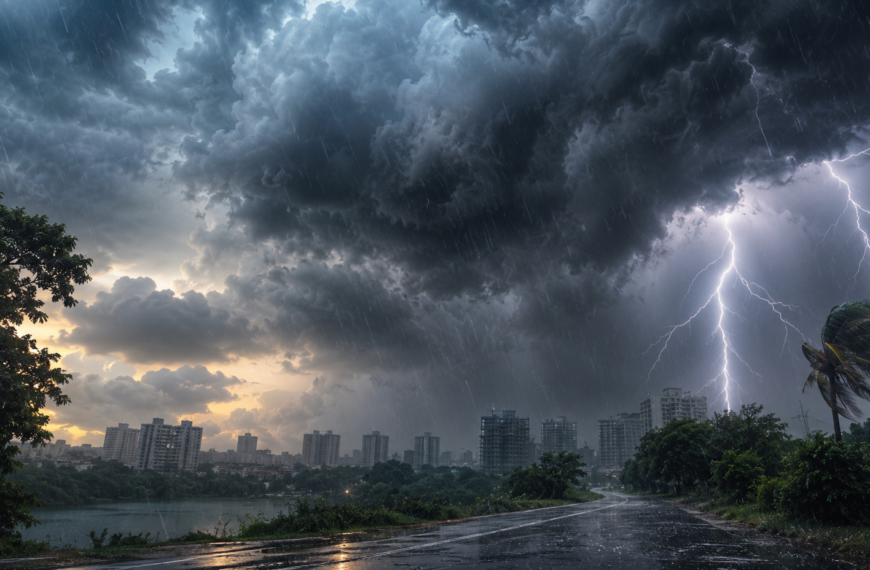
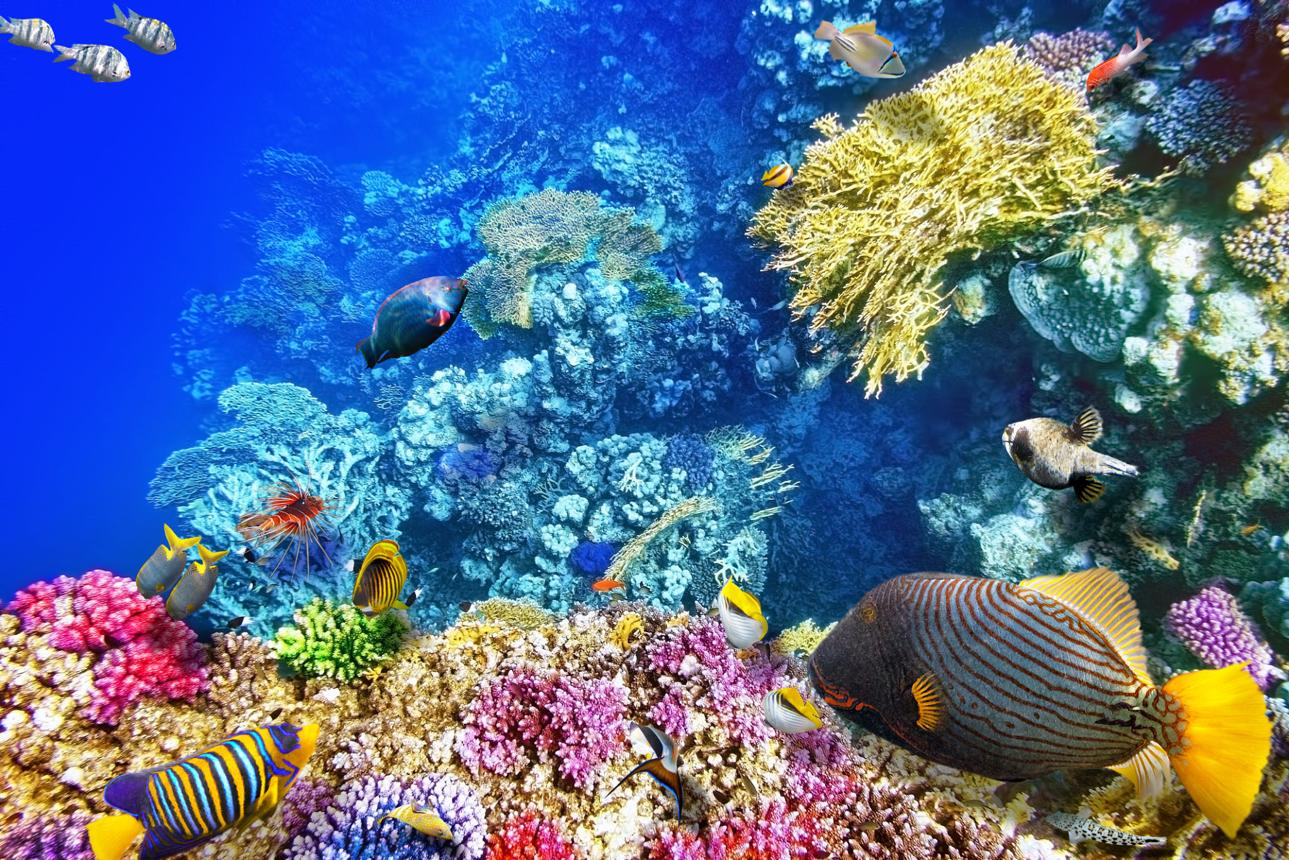

World Oceans Day, observed every year on June 8, is a global reminder of how important oceans are to life on Earth. Oceans are not just vast stretches of water—they are the lifeline of our planet, supporting ecosystems, regulating climate, and providing food and livelihoods for billions of people.
Oceans produce more than half of the world’s oxygen and absorb a significant portion of carbon dioxide, helping to control global temperatures. From microscopic organisms to massive marine animals, ocean life forms a complex and delicate balance that keeps nature functioning smoothly.
However, human activities are placing oceans under serious threat. Plastic pollution has become one of the biggest challenges, with millions of tons of waste entering the sea every year. Marine animals often mistake plastic for food, leading to injury or death. Overfishing is another concern, as it disrupts marine ecosystems and reduces fish populations faster than they can recover.
Climate change is also affecting ocean health. Rising temperatures are causing coral bleaching, destroying vibrant underwater ecosystems that are home to countless species. Additionally, ocean acidification is making it harder for marine organisms to survive.
World Oceans Day encourages individuals, communities, and governments to take action. Simple steps like reducing plastic use, conserving water, supporting sustainable seafood, and participating in beach clean-ups can make a meaningful impact. Even spreading awareness can inspire others to protect our oceans.
Protecting the oceans is not just about saving marine life—it’s about protecting our own future. Healthy oceans ensure clean air, stable climates, and food security for generations to come.


 By
By

 By
By